
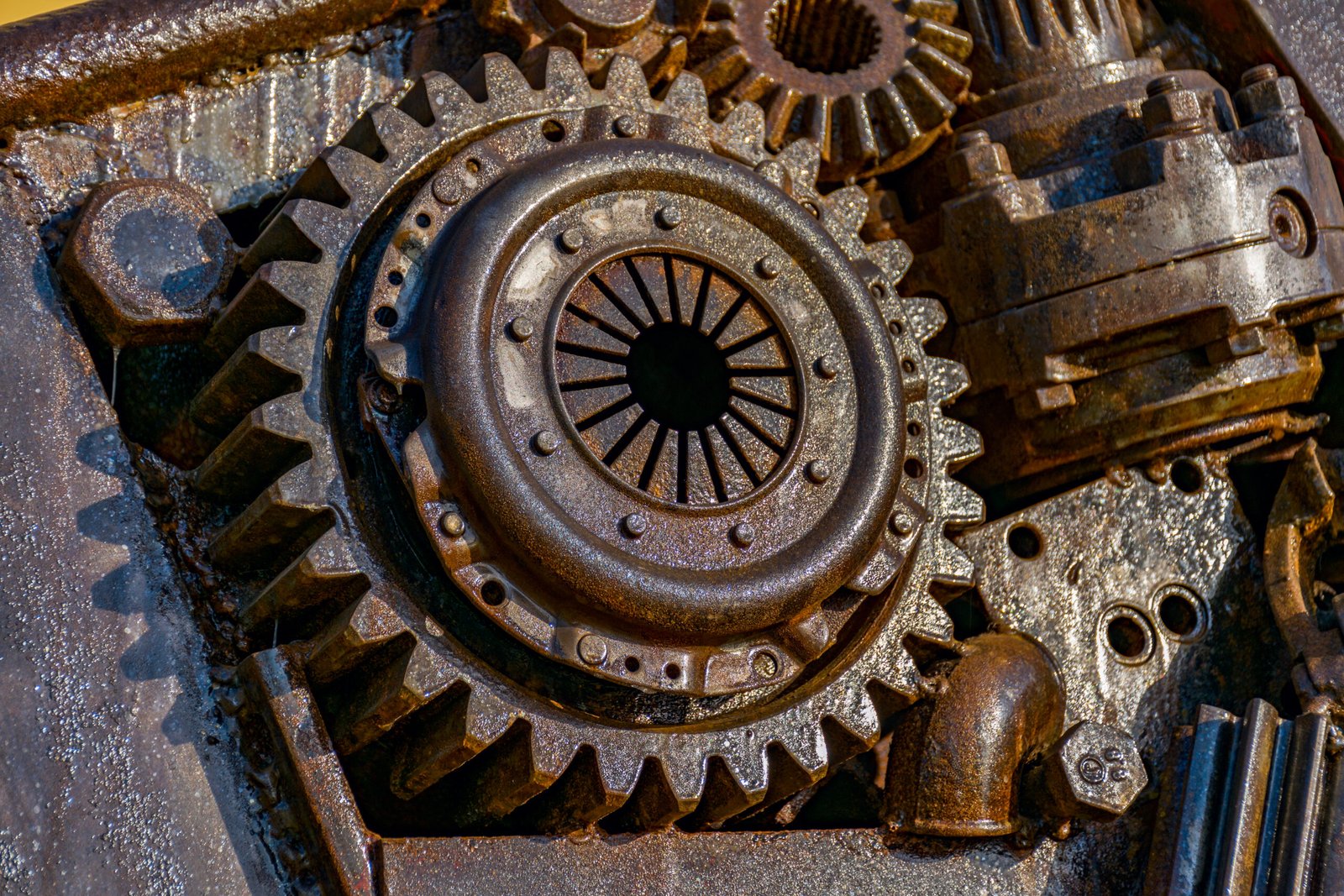
The diesel engine comprises many components that must operate well under difficult conditions. With time, regular wear may impact its efficiency, reliability, and operation in case of neglect of inspection.
If you are responsible for maintaining commercial vehicles, generators, or industrial machines, knowing what you should be looking for can add to the life of your engine and improve efficiency.
The preventive maintenance checklist guarantees the inspection of vital diesel engine components before minor issues become big problems.
It gives technicians a consistent framework for checking the components that matter most- before wear turns into failure.
Why Is Preventive Maintenance Important for Diesel Engines?
Waiting for something to go wrong before acting on it is an expensive way to run equipment. Routine inspections catch problems while they’re still manageable- a leaking seal, contaminated oil, a cooling hose that’s starting to deteriorate.
Done consistently, preventive maintenance:
- Keeps engines reliable rather than reactive
- Cuts unplanned downtime
- Maintains fuel efficiency
- Extends service life
- Reduces what gets spent on repairs over time
None of that happens from a single inspection. It comes from making checks a regular part of how equipment gets managed.
Which Components Should Be on Every Diesel Engine Maintenance Checklist?
Fuel System
Fuel filters, injectors, lines, and connections all need regular attention. Contamination, leaks, and restricted flow affect performance and push fuel consumption up. Injector issues in particular have a way of going unnoticed until efficiency has already taken a hit.
Air Intake System
Combustion needs clean air. A filthy air filter may restrict airflow and force the engine to work harder than it should. Check the filter, intake pipes, and clamps at every service. It’s one of the simpler checks and one of the more commonly missed.
Lubrication System
Oil condition matters as much as oil level. Dirty or low oil accelerates wear on moving parts faster than almost anything else. Check the level, look at the condition, inspect the filter, and check seals and gaskets for any sign of leaks.
Cooling System
Overheating causes serious engine damage, and cooling system problems rarely announce themselves loudly before they’ve already done harm. Check coolant levels, inspect hoses and radiator connections, and look for corrosion or deterioration that’s been building up quietly.
Belts, Hoses, and Seals
These wear gradually and fail suddenly. Cracks, fraying, lost tension in belts, swelling in hoses, seepage around seals- any of these should be dealt with before they become the reason an engine stops working mid-shift.
Battery and Electrical Connections
Corroded terminals and loose cables cause starting failures and monitoring problems that feel random until someone actually looks at the connections. A quick check at each service catches most of these before they cause any real disruption.
How Often Should These Components Be Inspected?
Usage and operating conditions determine inspection frequency more than a fixed calendar does. Equipment running in dusty environments or under heavy loads needs more frequent checks than something operating in controlled conditions.
| Component | Inspection Frequency | What to Check |
| Fuel System | Regularly | Leaks, filters, injectors |
| Air Filter | Routine inspection | Dirt and blockage |
| Engine Oil | Before scheduled service | Level and condition |
| Cooling System | Regularly | Coolant level, hoses, radiator |
| Belts & Hoses | Routine inspection | Cracks, wear, tension |
| Battery | Periodically | Corrosion and cable connections |
The manufacturer’s recommended schedule for your Cummins diesel engine or other diesel model is the right starting point- not a generic interval that may not account for how the equipment is actually being used.
What Warning Signs Mean a Component Needs Attention?
Technicians who know what to watch for between scheduled inspections catch problems earlier.
Things worth taking seriously:
- Engine noise that’s new or different
- Exhaust smoke that’s heavier than normal
- Oil or coolant appearing where it shouldn’t
- Power dropping off noticeably
- Hard starting when conditions don’t explain it
- Fuel consumption creeping up without a clear reason
- Temperature running higher than usual
These don’t always point to something serious, but they always point to something. Investigating early is cheaper than finding out later what was actually wrong.
Why Component Quality Matters in Preventive Maintenance
The maintenance routine is only as good as the parts going into the engine. A quality filter, belt, or seal fitted at the right interval performs differently to a cheaper alternative that may not hold up under the same operating conditions.
For Cummins Diesel Engine models, using compatible diesel parts and following manufacturer procedures keeps performance consistent between service intervals. Suppliers like Cummins Dongfeng give businesses access to components that are built for the equipment — not generic parts that may fit but weren’t designed with that engine in mind.
Build the Routine Before Something Forces You To
The businesses that get the most from their diesel equipment aren’t the ones that react fastest when something breaks. They’re the ones that inspect consistently and deal with wear before it becomes failure.
That’s what a good checklist, quality parts, and support from a supplier like Cummins Dongfeng make possible– keeping diesel engine components reliable and operational, not reactive and expensive.
FAQs
1. What components require constant monitoring?
Fuel system, air filter, engine oil, cooling system, belts, hoses, and battery connections are the most crucial factors that need to be checked when performing maintenance.
2. What are the recommended intervals for the inspection of various parts of the diesel engine?
Follow the intervals specified by the manufacturer, and based on operating conditions (dust and loads), inspections may be needed more often.
3. Why is preventive maintenance necessary for Cummins engines?
Cummins engines work under specific criteria and requirements, and preventive maintenance helps maintain the operation of the engines as intended.
4. Will the replacement of worn parts increase performance?
Sure, because worn parts affect the performance of the engine in terms of fuel consumption, power generation, and load.
5. Where should I source replacement diesel engine parts?
Trusted suppliers like Cummins Dongfeng provide components built for the equipment — which matters more than price alone when reliability is what’s actually at stake.