
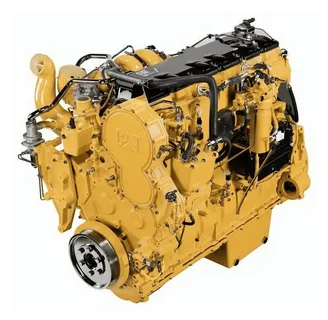
A diesel engine performs only as well as its weakest component. That sounds obvious until you’re looking at two parts that appear identical and aren’t sure which one actually fits the application.
Size and appearance aren’t reliable guides. Engine configuration, workload, operating environment, specifications- all of it matters. Whether it’s commercial vehicles, construction equipment, or industrial machinery, getting diesel engine parts right starts before the order is placed.
Why Does Choosing the Right Diesel Engine Part Matter?
Because the wrong one causes problems that aren’t always obvious straight away.
Different components carry different specifications, materials, and performance requirements. A part that physically fits can still be wrong for the application, and the consequences tend to show up later as faster wear, repeated maintenance, or system issues that trace back to the replacement.
For equipment running long hours under heavy loads, a mismatch in one component is rarely contained to that component.
What Should You Consider Before Selecting a Diesel Engine Part?
Start with the engine and the job, not the parts catalog.
Engine Type and Configuration
Model, power rating, configuration, application. Two engines with similar specs can still need different parts. Assuming otherwise is where selection mistakes tend to start.
Operating Environment
Dust, heat, humidity, debris- these put additional stress on components that a specification sheet won’t always capture. Construction site conditions and controlled industrial settings aren’t the same environment, even when the engine model is identical.
Workload and Duty Cycle
Continuous operation and sustained heavy loads demand more from cooling, lubrication, fuel delivery, and airflow components than intermittent light-duty use. How hard the engine works should directly shape what replacement is chosen.
Which Diesel Engine Parts Need Careful Selection?
Fuel system: Injectors, pumps, filters. Wrong component, wrong combustion. The effects on efficiency aren’t always immediate, but they accumulate.
Cooling system: Water pumps, thermostats, radiators. Capacity needs to match the engine and its operating conditions. Physical fit isn’t the same thing as functional match.
Lubrication system: Filters, pumps, seals. These protect moving components from friction and wear. Getting them wrong quietly shortens engine life.
Air intake: Filters and intake components. Restriction that hurts performance doesn’t always announce itself; it just shows up as reduced output over time.
How Do Operating Conditions Affect Component Selection?
Construction equipment handles dust and debris constantly. Trucks run under sustained load for hours. Generators operate continuously without stopping. Same engine type, completely different demands on the components.
Before selecting a replacement, work through:
- Average operating hours
- Typical engine load
- Temperature and climate conditions
- Dust or debris exposure levels
- Whether operation is continuous or intermittent
These aren’t administrative details. They’re what determines whether a component will hold up or won’t.
How Should You Compare Different Diesel Engine Parts?
By specifications- not appearances or product names.
| What to compare | Why it matters |
| Dimensions | Physical suitability |
| Material | Durability across conditions |
| Operating rating | What demands it can actually handle |
| Application | Whether it’s designed for the intended equipment |
| Maintenance requirements | Planning future servicing |
One more thing worth considering: how the component interacts with the rest of the system. Replacing one part without thinking about related components sometimes creates new problems that weren’t there before.
When Should You Choose Cummins Engine Parts?
When the equipment runs a Cummins engine, Cummins engine parts make practical sense: components designed for that engine range rather than adapted from something adjacent.
Different Cummins engines have different requirements. Brand match isn’t enough on its own. The part still needs to suit the specific model and application.
Cummins spare parts cover fuel, cooling, lubrication, air intake, electrical, and other systems. For businesses maintaining multiple machines, a reliable source for Cummins parts removes some of the variability from routine maintenance. The priority doesn’t change: components that match the engine and the work it performs.
How Can the Right Parts Support Long-Term Engine Performance?
The right component won’t prevent every maintenance issue. What it does is keep the engine running as it should, make servicing more predictable, and avoid the downstream costs of unsuitable replacements.
Those costs aren’t limited to the part price. Downtime, labor, lost productivity, repeat repairs- these add up in ways that make getting component selection right upfront considerably cheaper than addressing the consequences of getting it wrong.
Cummins Dongfeng supplies Cummins engines and related components for demanding applications, helping businesses source parts that suit their actual equipment requirements rather than close approximations.
Make the Selection Before You Make the Replacement
Application, workload, environment, specifications, system compatibility- these need to be worked through before anything gets ordered. Not after.
For businesses running Cummins-powered equipment, selecting suitable Cummins parts and following appropriate maintenance requirements is what supports dependable performance over time. The part on the shelf is the last consideration, not the first.
FAQs
1. Can different diesel engine parts affect each other?
Yes, components work together, so a change in one system can affect how another performs.
2. Should replacement parts always look identical to the original?
No. It doesn’t matter if it looks the same. What matters is whether the replacement has the specifications needed for the engine.
3. Are diesel engine parts interchangeable between models?
Don’t assume that. Although they look alike, different models may require different-sized components, different ratings, or specifications.
4. Does engine age affect component selection?
Yes, it can. Older engines may have different configurations or service requirements, which should be taken into account before ordering a replacement.
5. When should a diesel engine part be replaced?
During maintenance inspections – not when failure is obvious. When signs of wear, damage, poor performance, or recurring problems are detected.